Board Games That Turn Friends into Rivals
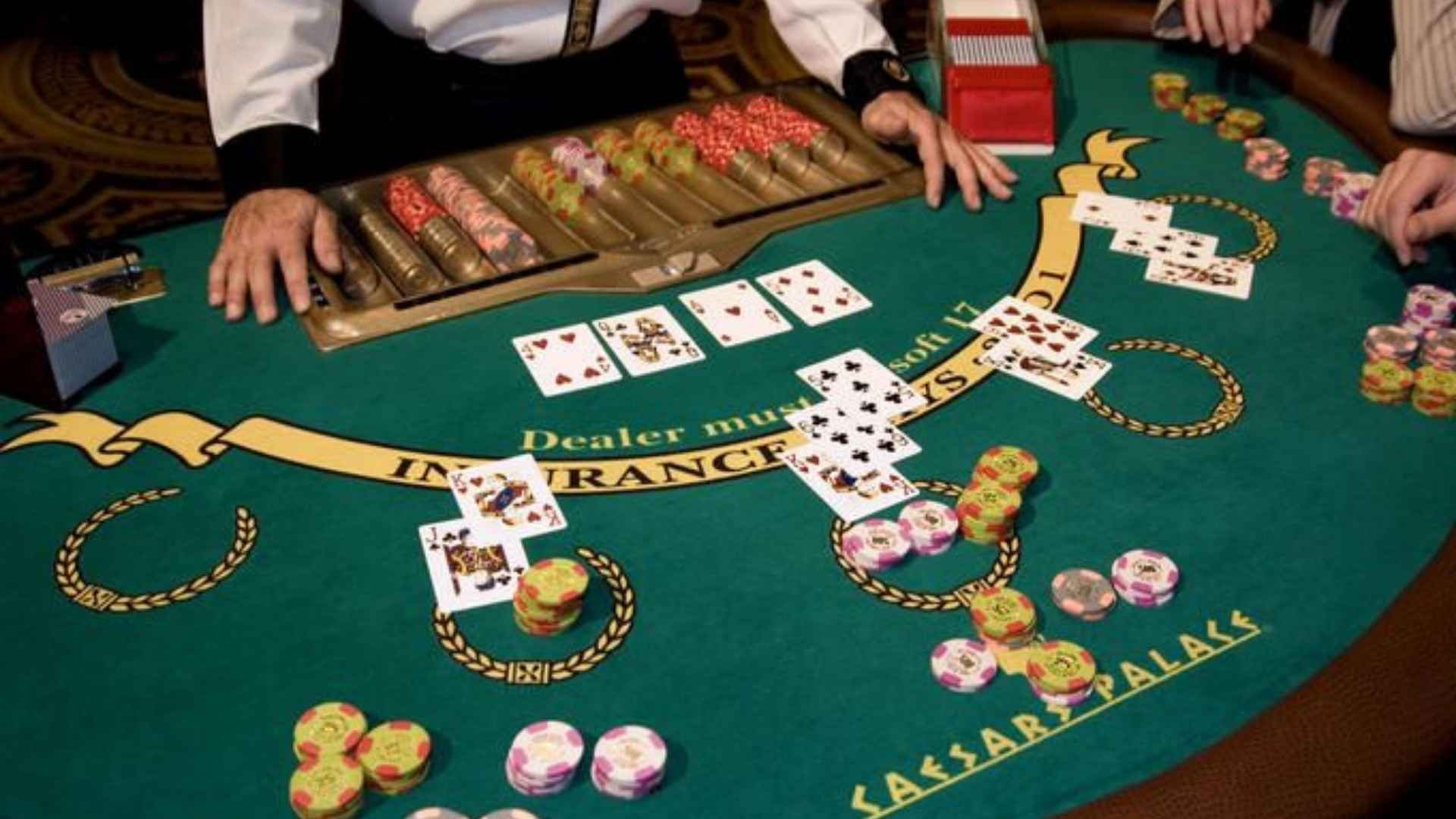
Tabletop gaming nights are traditionally seen as a wonderful way to unwind and connect with loved ones after a busy work week. However, certain titles introduce intense mechanical conflicts that can instantly shift the atmosphere from cooperative to fiercely competitive. When stakes are high on the digital or physical board, trusted companions often find themselves strategizing against one another for victory.
The Psychology of Tabletop Conflict
Stepping into a highly competitive game requires a distinct mental shift where standard social boundaries are temporarily paused. Players must navigate complex scenarios involving deception, sudden betrayal, and cutthroat resource management to secure their final objective. This psychological tension is precisely what makes specific tabletop experiences so memorable and widely discussed among hobbyists.
While cooperative titles focus heavily on shared victories, competitive setups tap into our natural desire to test personal tactical limits. Experiencing these safe conflicts allows participants to explore intense rivalries without causing permanent damage to real-world relationships. Ultimately, the shared emotional roller coaster often brings people closer together once the final scores are tallied.
Mechanics That Spark Intense Rivalries
Certain game designs are intentionally engineered to push players into direct opposition through specific mechanical choices. Mechanics like secret deduction, sudden worker displacement, and forced resource trading naturally generate friction between participants. When a single move can undo an hour of careful planning, the competitive environment inevitably escalates.
For individuals who enjoy tracking high-stakes matches and studying competitive dynamics, exploring interactive platforms like Msports can offer valuable insights into strategic play. Similarly, understanding how tabletop mechanics fuel player tension helps enthusiasts choose the right title for their next social gathering. The best designs ensure that every conflict feels earned and strategically justified.
Managing Social Dynamics During Play
Maintaining a healthy balance between fierce in-game competition and real-world friendship is crucial for a successful game night. Setting clear expectations before the first turn can help prevent misunderstandings and hurt feelings when betrayals happen. It is always helpful to remind everyone that tactical hostility is merely a feature of the game design.
Learning to handle sudden losses with grace is another essential skill that veteran tabletop enthusiasts routinely practice. When participants view setbacks as opportunities to refine their personal strategy, the focus shifts from frustration to mutual improvement. Keeping the atmosphere lighthearted ensures that the rivalry remains strictly confined to the board.
Choosing the Right Level of Competition
Not every social group thrives under the pressure of cutthroat mechanics and constant tactical confrontations. Before introducing a highly combative title to the table, it is wise to gauge the general mood and competitive tolerance of your guests. Some groups prefer mild passive interaction, while others fully embrace direct conflict.
A well-balanced home collection should feature a variety of interaction levels to suit different social occasions. Mixing intense strategic challenges with lighter party games guarantees that every gathering remains enjoyable for all participants. Selecting the appropriate level of tension ensures that your friends return for future sessions.